Singapore · Vacuum Market · 2025–2026
Dyson Defined the Premium Vacuum.
In Singapore, That Definition
Is Being Rewritten.
An investigation into the category-level forces reshaping Singapore's vacuum market: price transparency, platform retail, and credible challengers quietly rewriting the rules of a premium space Dyson once owned outright.
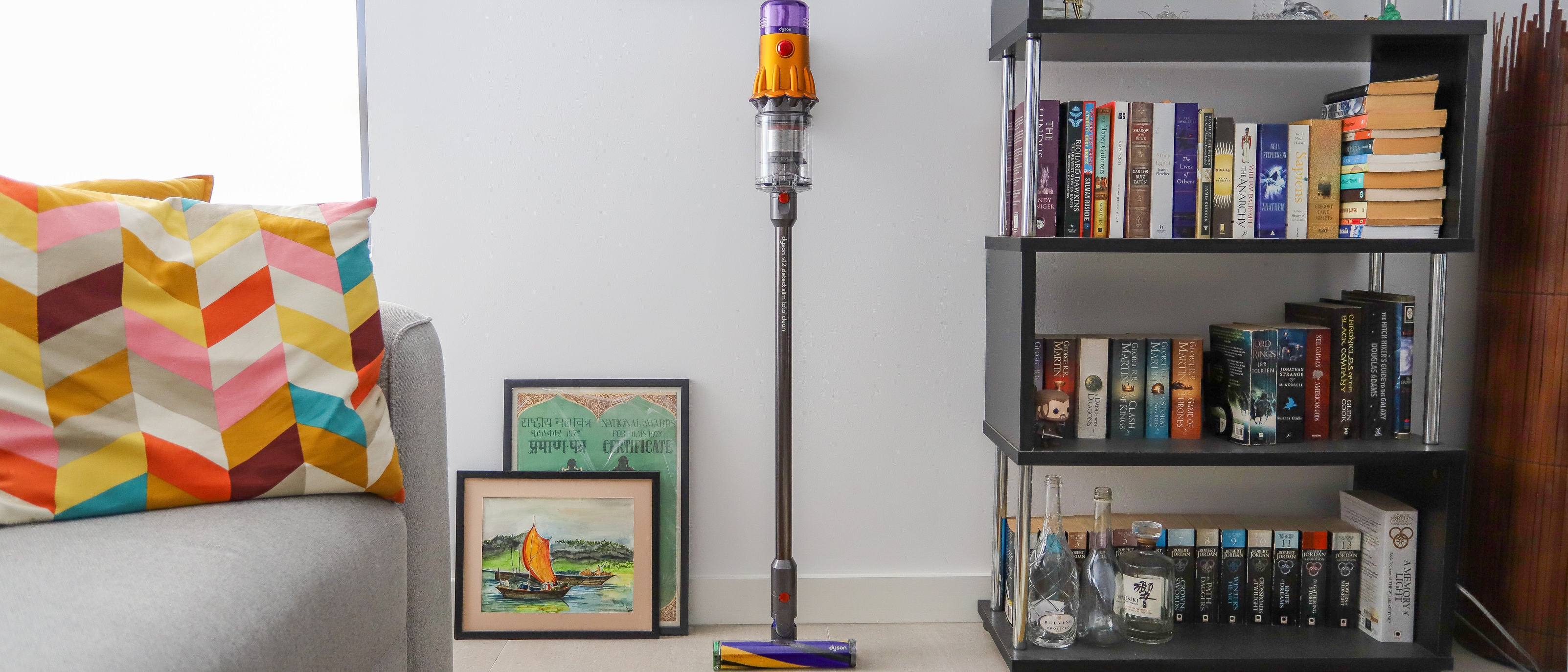
Dyson V16 S$1,199
PRISM+ from S$89
Same category. 8× price difference.
Part One
The Premium Promise
"A Dyson was not merely a home appliance, it was a statement that engineering could elevate a daily chore into something close to theatre."
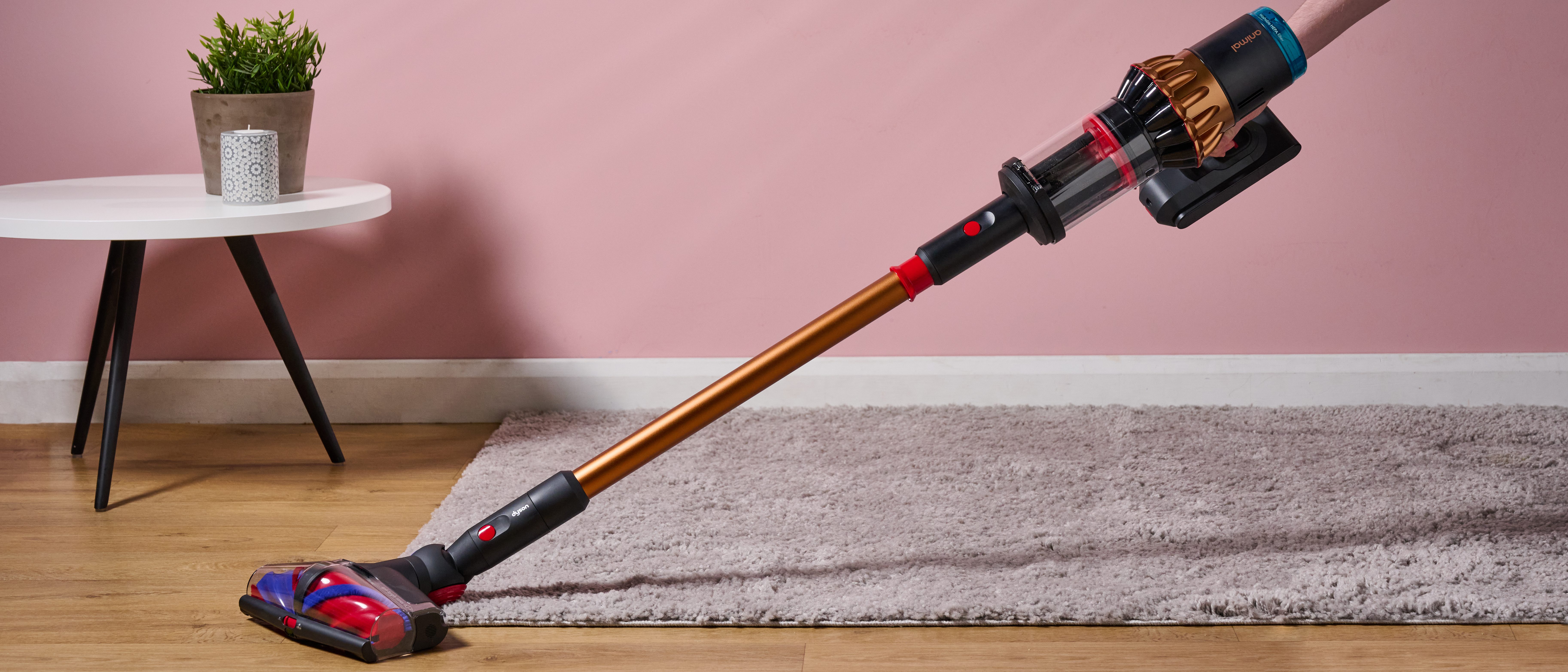
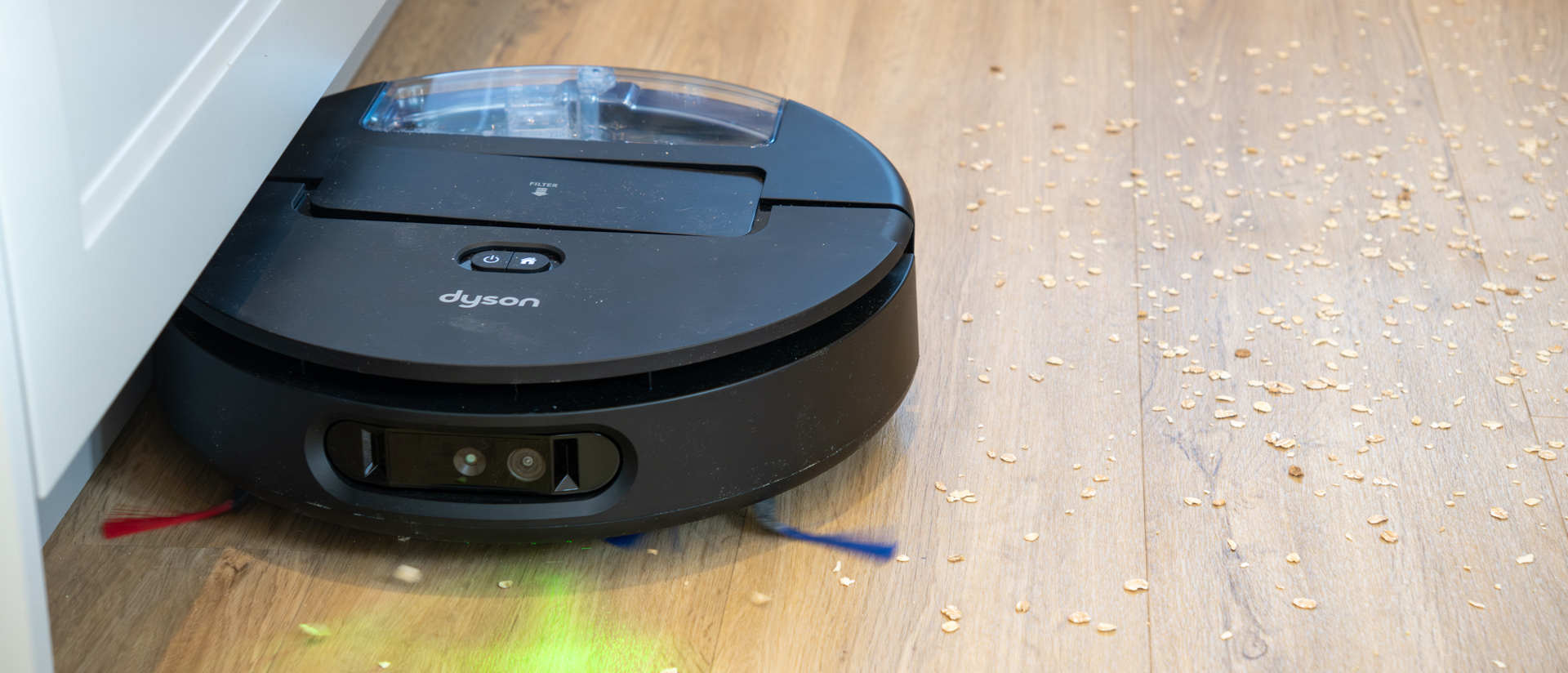
For years, Dyson didn't compete in vacuum cleaners. It defined what the category was supposed to feel like. The clear dust bin, the trigger grip, the laser that revealed particles on the floor, the vocabulary of cyclones and air watts, the refusal to be cheap. In affluent urban homes, especially in Singapore, that formula worked brilliantly.
But the market that Dyson built has matured. And a mature market, in consumer electronics, rarely stays kind to its creator.
Part Two
The Price Wall
In Singapore's retail environment (Lazada, Shopee, direct-to-consumer sites), consumers face a different equation entirely. What was once a three-tier market (cheap, decent, Dyson) is now a crowded field of cordless vacuums on a single infinite scroll. The chart below shows what that looks like at price level.
■ Challenger brands ■ Mid-tier brands ■ Dyson
Part Three
The Challengers
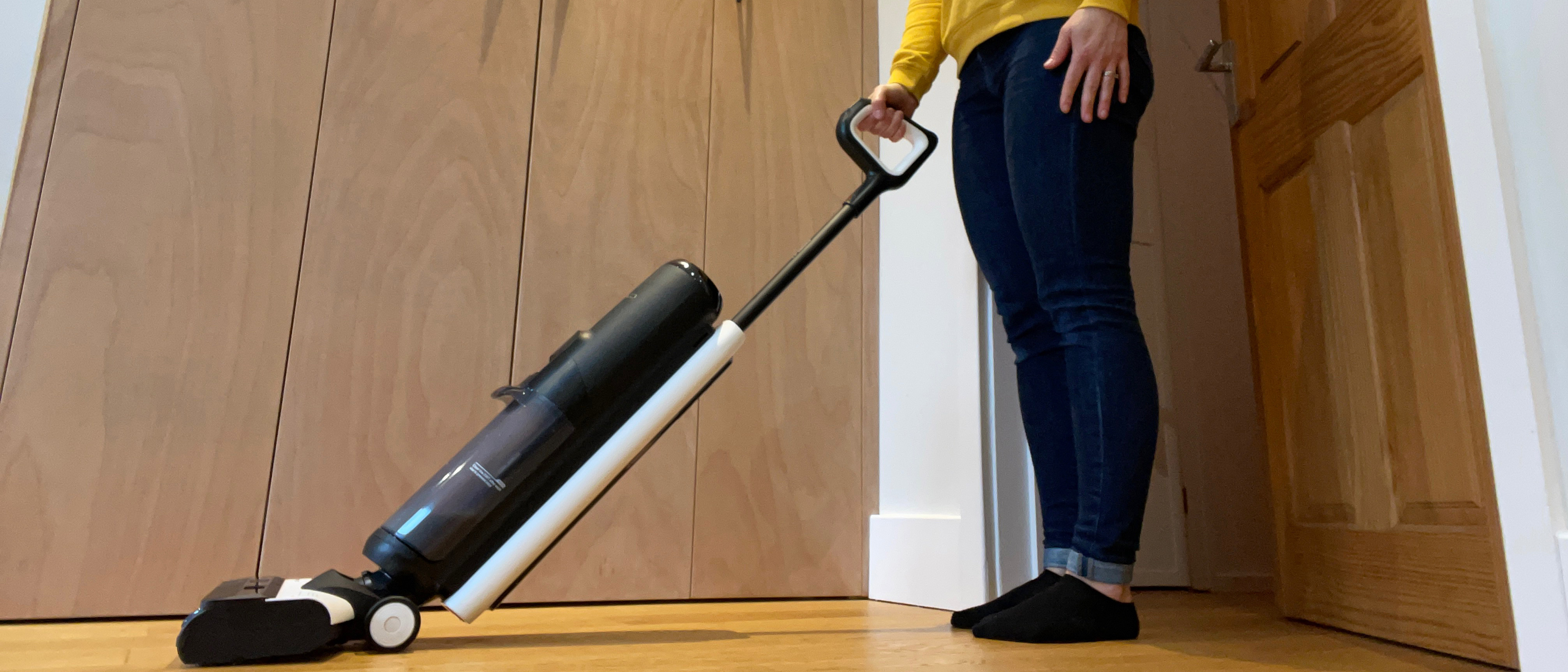
These are not merely cheap substitutes. Each brand attacks Dyson from a different vector: local trust, ecosystem lock-in, feature parity, or pure price. And these seven are just the most visible. Behind them sits a longer tail of challengers — Strongcore, Airbot, ELUXGO and others — filling every price gap and platform shelf that Dyson does not actively defend. Together they are reconfiguring what "good enough" means in a market Dyson once defined.
Part Four
The Market Shift
The old vacuum hierarchy was a clean pyramid. The new one is a scatter plot, and Dyson's position in it has changed fundamentally.
"The market has shifted from 'best vacuum' to 'best value cleaning system.'"
Part Five
The Numbers
For a company that built its identity on the idea that engineering should cost what it costs, the 2024 financial results were an uncomfortable moment. Not a crisis. But not nothing either.
"The company that taught consumers to expect more from a vacuum is discovering the most uncomfortable consequence of that success."
learned the lesson too.
Dyson's predicament in Singapore is best understood not as a sudden failure, but as a category-level demotion. It is no longer the obvious answer for a wide span of households. It is becoming one answer among many (often the most expensive one) in a market where alternatives are multiplying faster than consumer anxiety about quality.
That is a profound shift because Dyson built its empire on making the ordinary feel intolerable. Ordinary suction was not enough. Ordinary filtration was not enough. Ordinary design was not enough. Now the market is returning the challenge. Good enough, it turns out, may be good enough, especially when it is wet-and-dry, app-enabled, heavily discounted, and delivered tomorrow.
Dyson can still win. It has brand power, engineering credibility, and a premium customer base that values performance and design. But in Singapore's vacuum cleaner market, that is no longer the same as commanding the field.
PRISM+ EvoSonic Pro
comparable category
ended in 2024